GSoC 2026 Final Work Submission
Project Proposal: https://docs.google.com/document/d/1yuoWpMpwLSp4h_1vC6Ji5qHPJlRXdbX1orn8oMU-BDE/edit?usp=sharing
Gitlab Activity: https://gitlab.rtems.org/users/skdatar/activity
Project Issue: https://gitlab.rtems.org/rtems/programs/gsoc/-/work_items/89
Code contributions:⌗
| Merge Request | Description | Merged? |
|---|---|---|
| Framebuffer Support | Add the framebuffer support | ✅ |
| SD Card support RTEMS | Add the mmc node to the dts | ✅ |
| SDHCI Support in libbsd | Two commits to import the SDHCI files to libbsd and port them for RTEMS | ✅ |
Aim of the project⌗
The project aimed to add Framebuffer, SD card and PCIe support to the Raspberry Pi Board Support Package
Framebuffer⌗
The work related to the framebuffer heavily relied on the support for mailbox, which I added earlier in the year. The Raspberry Pi has an interesting boot sequence. The VideoCore GPU handles most of the board’s low-level functionality, such as power and clock management. The mailbox interface provides the mechanism for the CPU to talk to the GPU. The CPU can draft a mail and send it over to the GPU using a mailbox. The property interface is a way for the CPU to GET/SET information from the VideoCore.
The framebuffer support added uses these property tags: framebuffer-specific tags. More on that in a more detailed blog later. The framebuffer was tested using distinct red, green and blue colour fills:
Red: 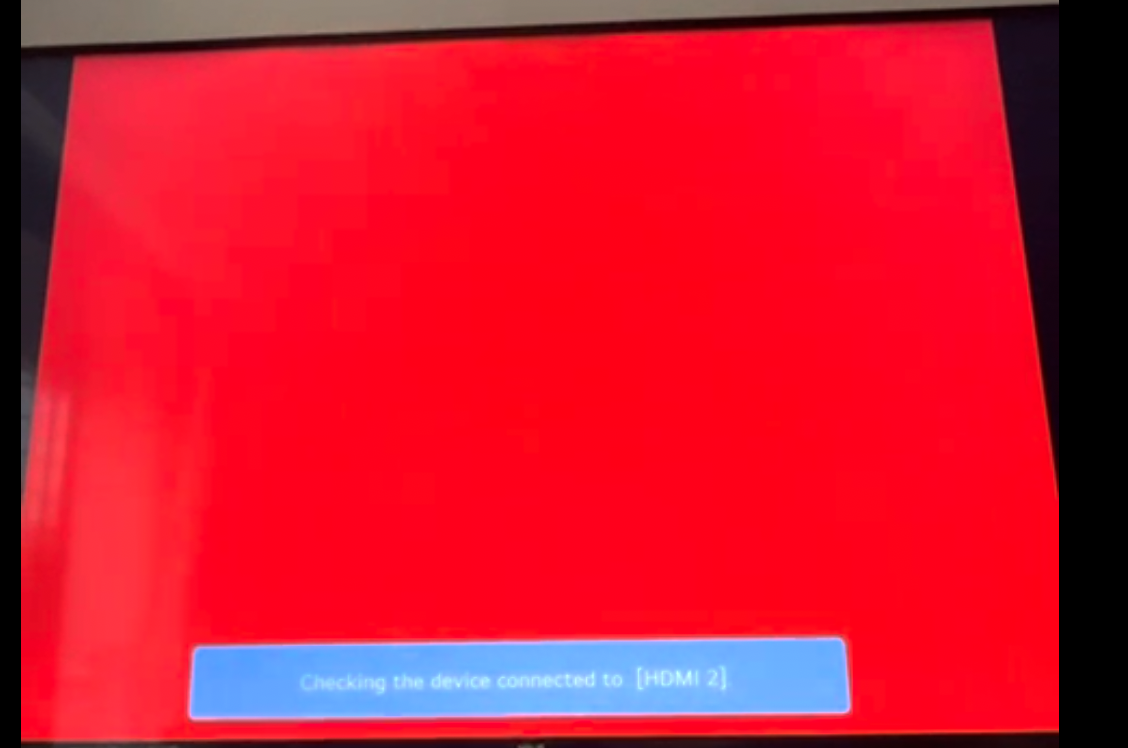 Green:
 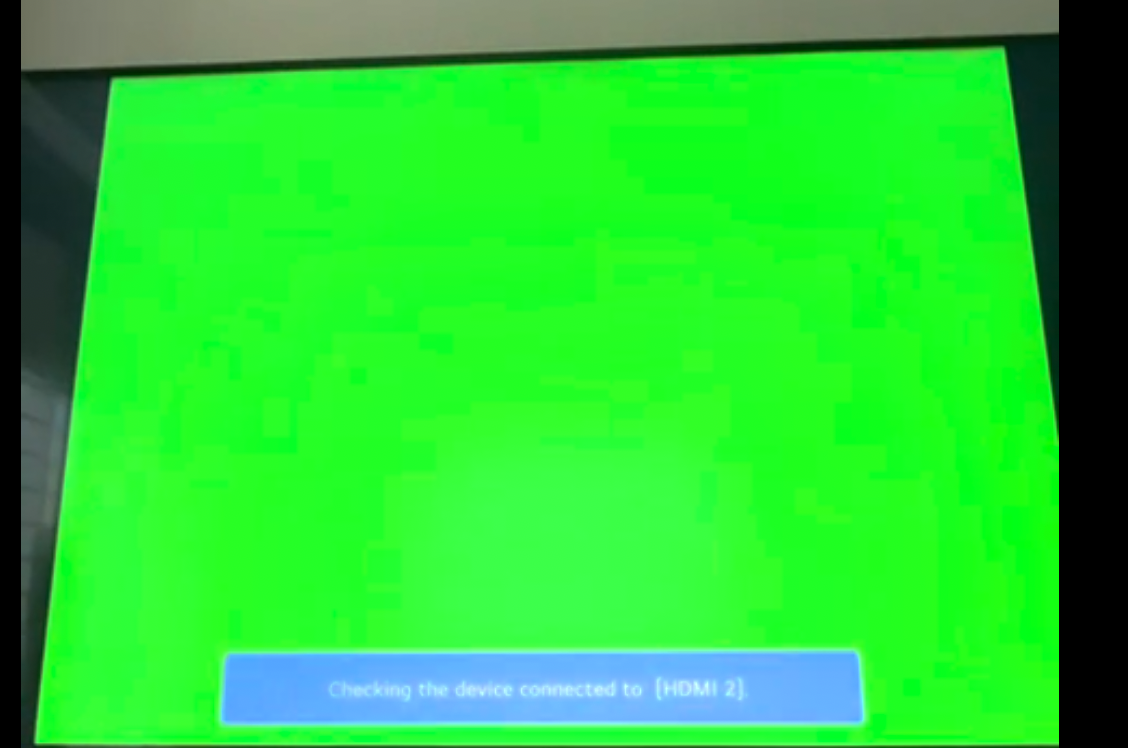 Blue:
Blue: 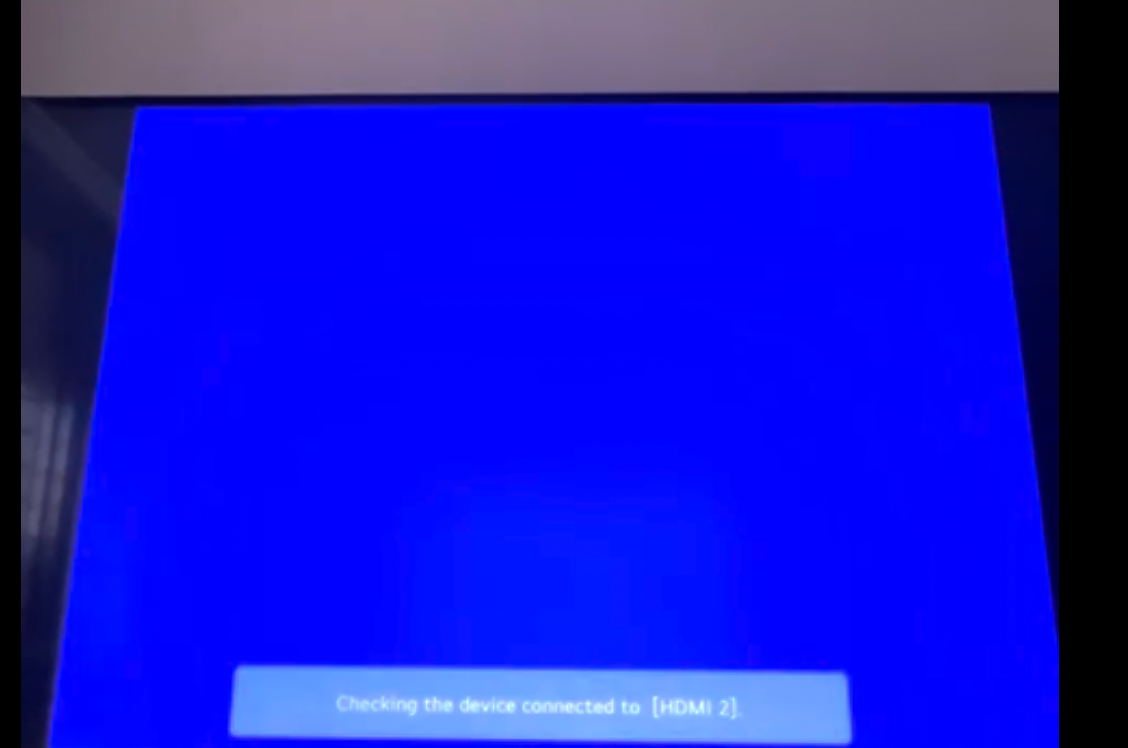
Merge Request: https://gitlab.rtems.org/rtems/rtos/rtems/-/merge_requests/1340
SDHCI Support⌗
The BCM2711 has three SD controllers — SDHOST, SDHCI and EMMC2 — all of which reach the SD card slot through a hardware mux, except the SDHOST. On the Pi 4, the SD card slot is driven directly by bcm2835_sdhci.c.
The work for SDHCI support was added in three separate commits across the RTEMS and libbsd repositories.
We initially added the mmc node to the bcm2711-rpi-4-b.dts. Later, the libbsd commits imported the SDHCI-specific files and then ported them to RTEMS to use the mailbox interface defined in RTEMS. The porting also involved using PIO mode instead of DMA, because peripheral-based DMA is yet to be added in RTEMS.
SDHCI support was tested using the libbsd media01 test:
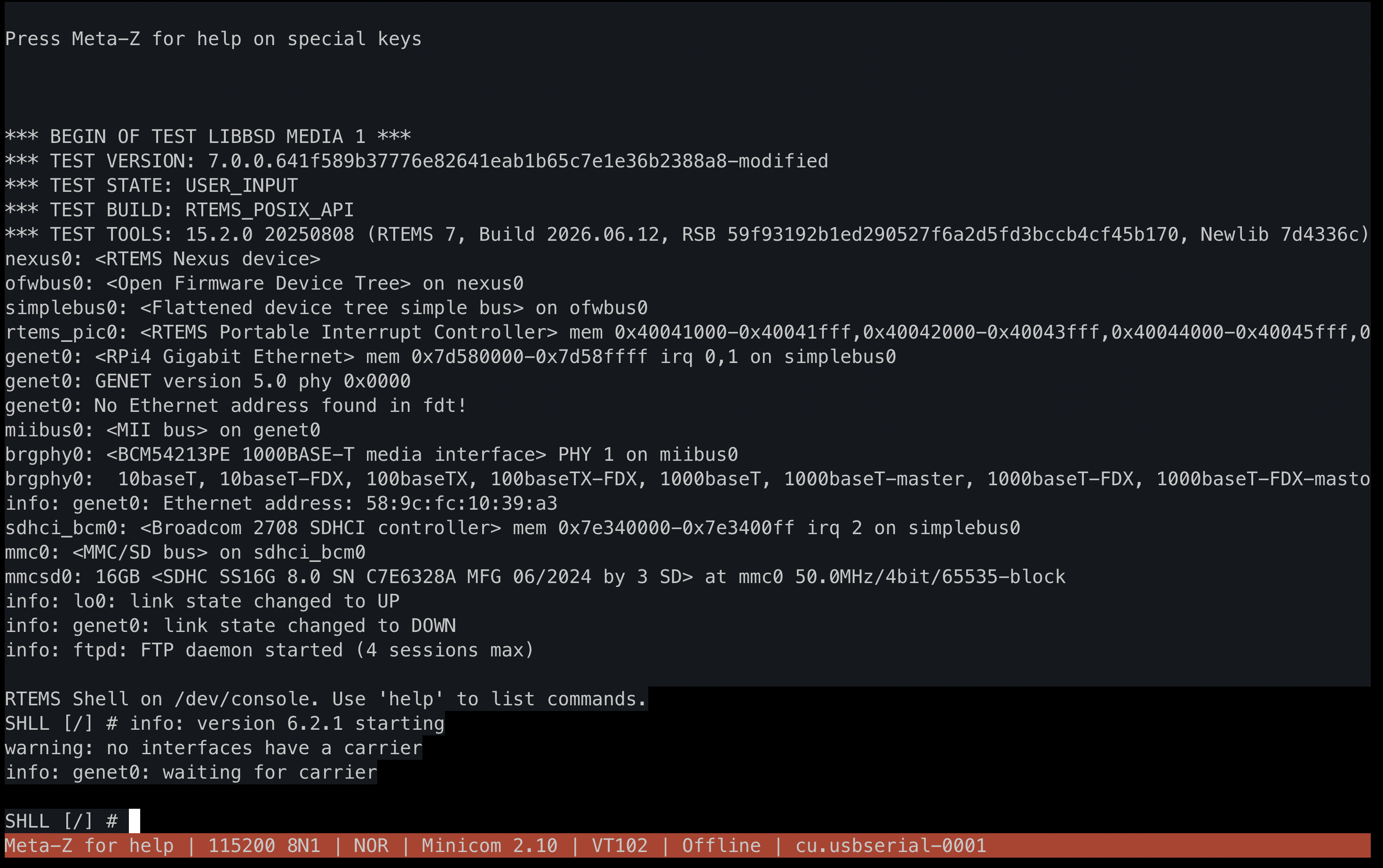
Merge Request:
DTS MR: https://gitlab.rtems.org/rtems/rtos/rtems/-/merge_requests/1429
libbsd MR: https://gitlab.rtems.org/rtems/pkg/rtems-libbsd/-/merge_requests/158
Future Work⌗
- The PCIe support was proposed as a part of this project but could not be completed due to time constraint. After GSoC I plan to work on adding the PCIe support
- Adding the peripheral facing DMA is also an open future work item.
- Adding support for USB is also a next step for the BSP
Conclusion⌗
The time I dedicated to working on the Raspberry Pi BSP, helped me gain a deeper understanding of the architecture and the hardware. It sharpened my coding skills, helped me understand open-source. I would like to thank my mentor: Christian and Kinsey for putting in the time and effort, helping me understand good coding practices, understand the intricacies of the hardware and reviewing my MRs. A huge thank you to Google for connecting students and contributors like me to organisations like RTEMS.